
The Attack/Release Move That Makes Parallel Compression Work
Parallel compression is one of the quickest ways to make drums feel punchier, louder, and more alive. But it’s also one of the quickest ways to ruin the punch and make a track feel smaller.
The difference usually isn’t “the right preset.” It’s knowing what to listen for and how attack and release change the behavior of the parallel channel.
What Parallel Compression Really Is
The idea is simple: you blend a fully compressed version of a signal with the dry version of that same signal.
- Dry signal: keeps the punch and the transient impact.
- Compressed signal: lifts the quieter sustain and detail under the punch.
So instead of compression only controlling peaks, parallel compression can also raise the “stuff between the hits” to add density, sustain, and excitement.
3 Simple Ways To Set Up Parallel Compression
1) Duplicate the track (fast for vocals or single channels)
Duplicate the audio track, crush the duplicate with compression, then blend it under the dry track.
2) Use an FX channel (classic “New York” approach)
Create an FX channel with a compressor on it, then send your drum bus (or selected drum tracks) into it and blend that return under your dry drums.
3) Use the compressor’s Mix knob (the fastest workflow)
If your compressor has a Mix knob, you can do parallel compression right inside the plugin: 0% = dry, 100% = fully compressed, and anything in-between is your parallel blend.
The One Rule That Changes Everything: Level Match
If you want to actually hear what parallel compression is doing, you have to level match when you bypass it.
Otherwise you’ll keep choosing “better” when it’s really just “louder.”
Start By Over-Compressing (Then Blend)
A great starting move is to make the compressed signal sound obviously overdone on its own, then blend it back in gently with the dry drums.
This usually gives better results than using “light compression” and blending a lot.
The Attack/Release Move That Makes It Work
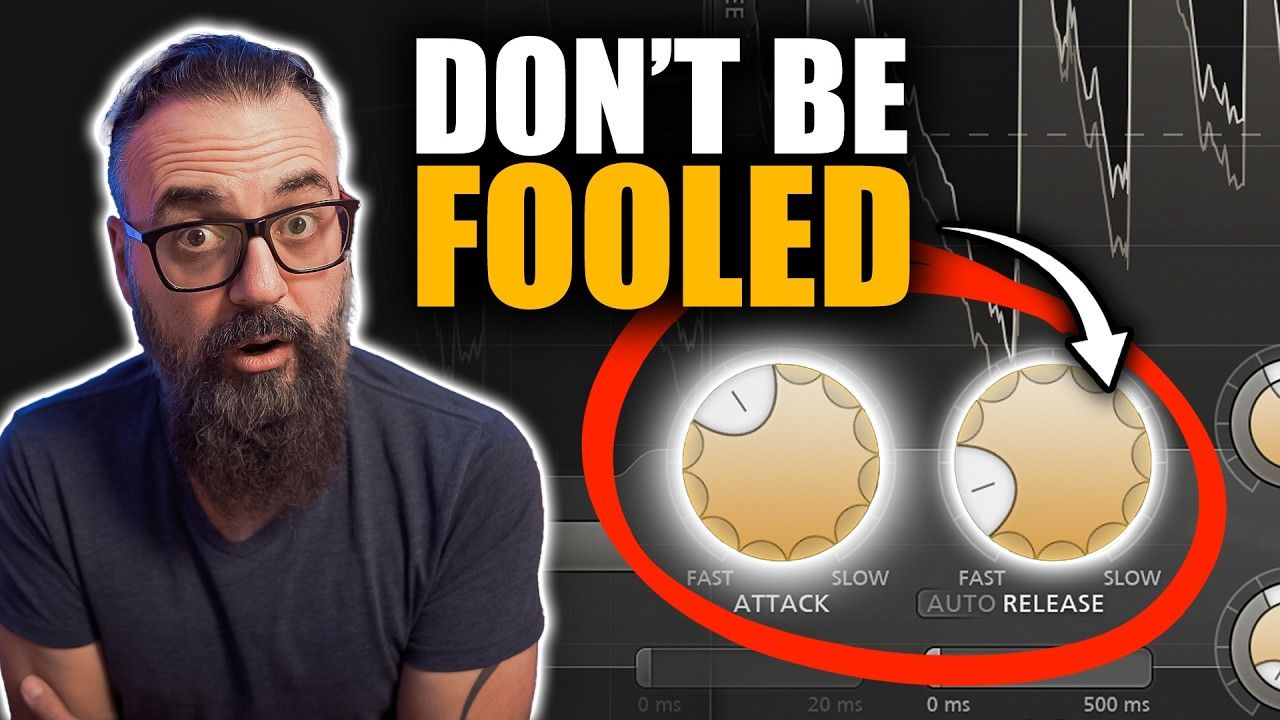
Attack and release are the two controls that most directly decide whether parallel compression feels punchy… or whether it steals the punch.
Attack: Fast attack adds density but can kill punch
When the attack gets too fast, the compressor grabs the transient. That can make the parallel channel feel thick and sustained, but it can also remove the snap of the kick and snare.
- If you want punch: try a slower attack so the transient survives.
- If you love the density from a faster attack: keep it, but blend less with the Mix control.
Release: Faster release = urgency and energy (until it’s too much)
A slower release can feel controlled, but it often loses that “urgent” energetic vibe. A faster release can bring the drums forward and add excitement, but it can also get aggressive or distorted if you push it too far.
The sweet spot is usually about matching the rhythm and tempo of the song so the compressor “breathes” in time.
Always Judge Parallel Compression In The Context of the Mix
Soloed drums can trick you. The real question is: does it help the drums support the song once the guitars, vocals, and bass are back in?
Blend it until you feel the drums get more alive in the track, then stop before the punch starts shrinking.
Two Extra Controls That Help a Lot
Sidechain filter (HPF)
High-pass filtering the detector can stop the compressor from reacting too hard to the low end. Your drums still get compressed, but the kick won’t “drive” the compression as aggressively.
Ratio choices
You can use a higher ratio with less extreme gain reduction, or a low ratio (like 2:1) and still crush it by pushing the threshold further down. Both can work. It’s about the character you want.
If Cymbals Get Nasty, Don’t Parallel Compress the Whole Drum Bus
Sometimes the overheads and cymbals get harsh when you parallel compress the full drum bus.
A simple fix: send only kick, snare, and toms to the parallel compressor and leave overheads out of it. You keep the punchy vibe without the cymbal aggression.
How To Train Your Ears (So You Stop Guessing)
If you want to get good at parallel compression quickly, do this:
- Level match when you bypass.
- Listen for punch on kick/snare vs sustain and density underneath.
- Practice until volume changes stop distracting you.
Once you know what to listen for, parallel compression becomes a tool you can control instead of a gamble.
Watch the Full Video on YouTube
If you want to hear these attack/release changes in real time on a drum bus (including the “in the mix” comparison), watch the full video here:
The Attack/Release Move That Makes Parallel Compression Work